
The Frequency of Color
An exploration of theory, application, and pure aesthetics.
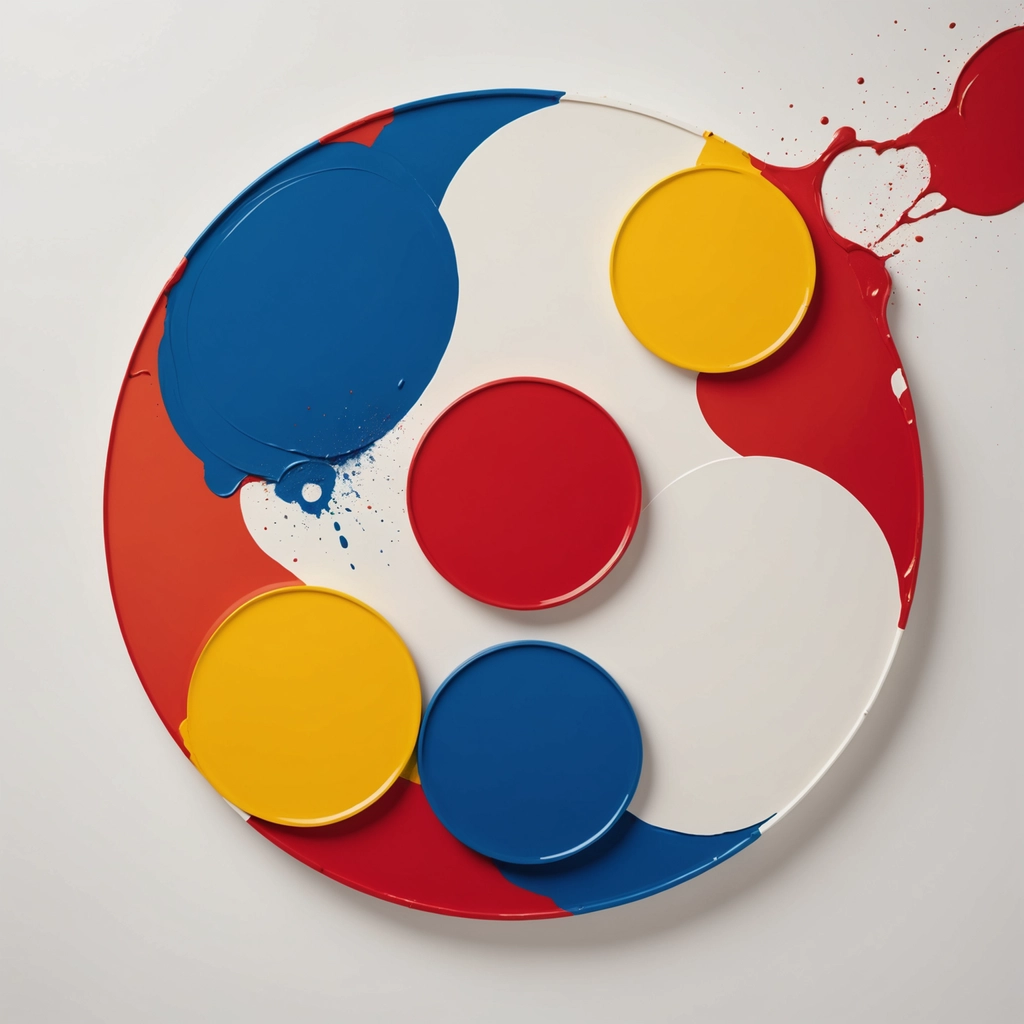
Primary Foundation
The absolute origin of all other hues. Red, yellow, and blue exist independently, unable to be created by mixing any other colors. They are the essential building blocks of visual perception.
Secondary Harmony
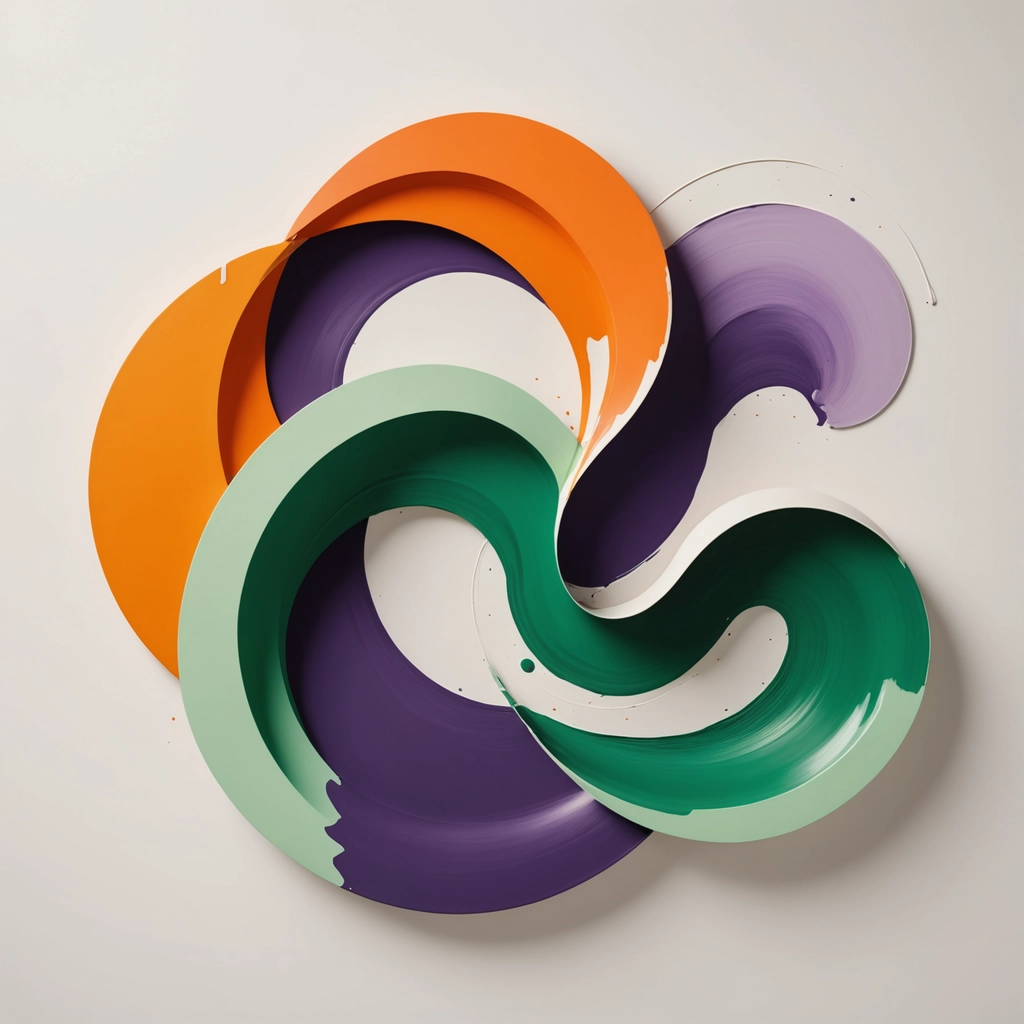
The beautiful result of primary convergence. Orange, green, and violet emerge when primary colors are blended in equal measure, creating a perfect balance between their vivid parents.
Tertiary Nuance
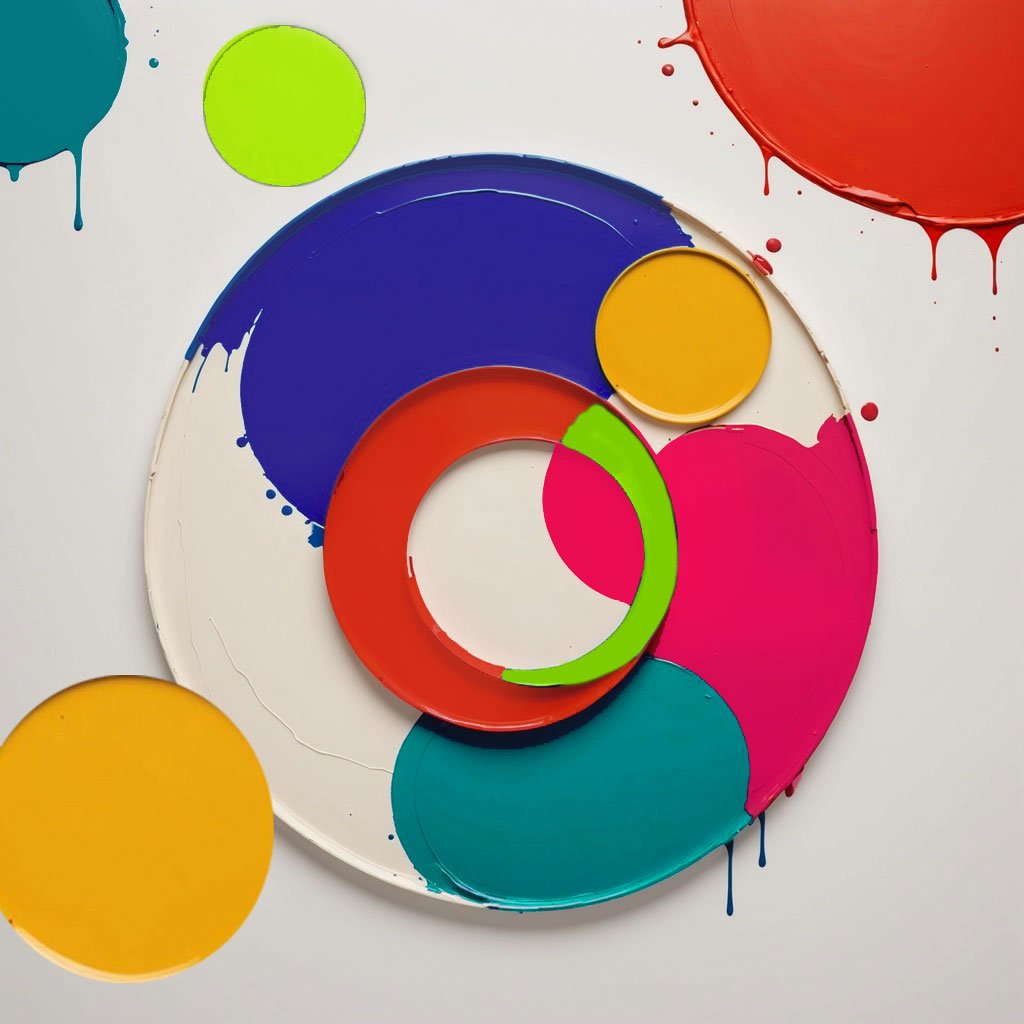
The complex in-between. Formed by mixing primary and secondary colors, these are the rich, earthy, and sophisticated tones that provide endless depth and variation to the color wheel.
Value
The journey from absolute light to utter darkness
What is “Value”?
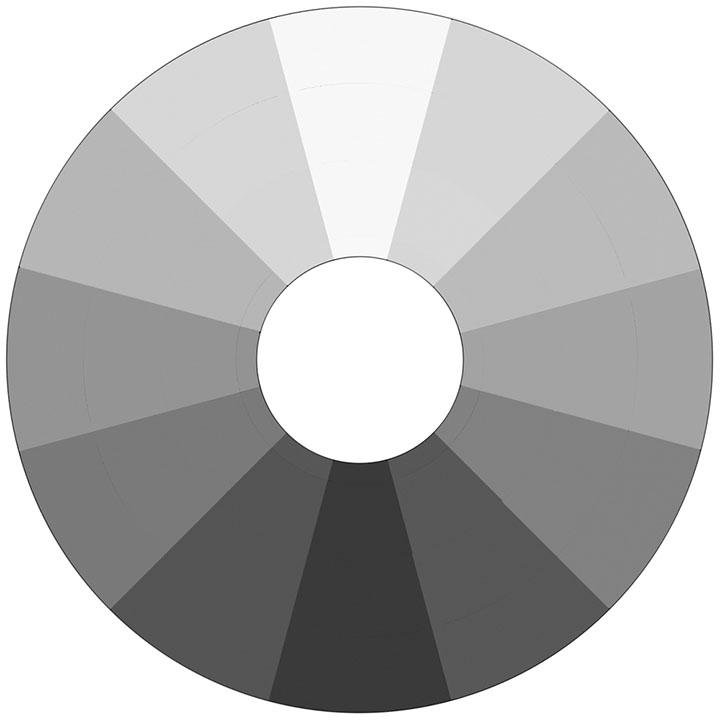
Value is simply how light or dark a color is. It’s best visualized as a 9-step scale (The Munsell Scale) from pure white to pure black.
High Value: Colors mixed with white (Tints). They feel airy, light, and “clean.”
Low Value: Colors mixed with black (Shades). They feel heavy, deep, and “dramatic.”
The “Squint Test”: If you squint at a colorful photo until the colors disappear, the remaining light and dark shapes you see are the Values.
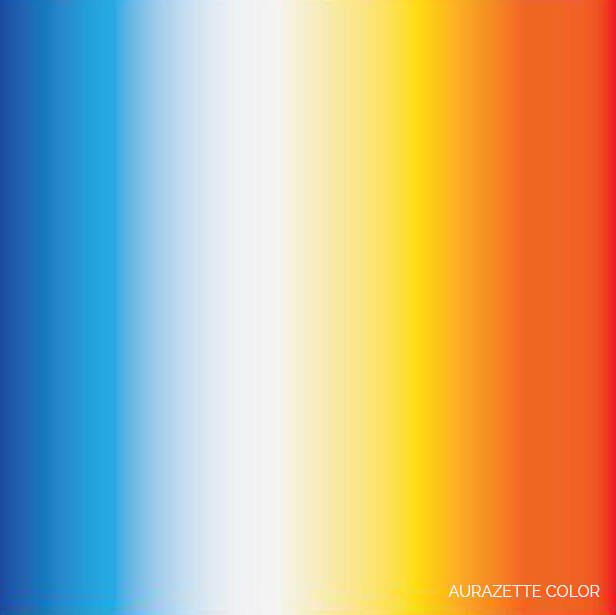
Temperature
The psychological shift from warm embrace to cool distance.
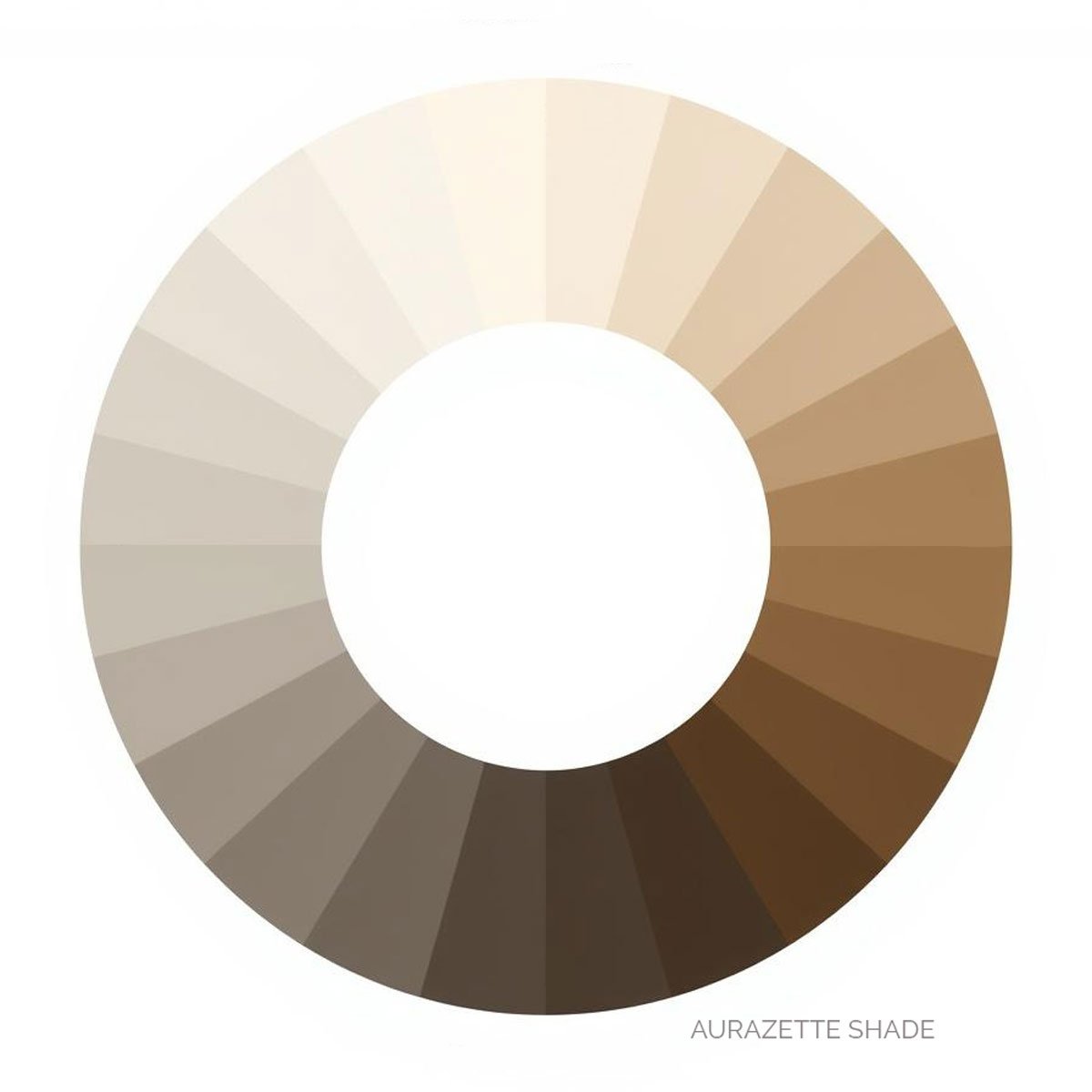
Shades: The Anchor of Depth
The journey from absolute light to utter darkness
“Where light reveals form, the shade defines it.”
A Shade is born when a pure hue is invited into the shadows by adding Black. In the Aurazette philosophy, shades are the structural “contour” of a palette—they don’t just darken a color, they add gravity, mystery, and intentional contrast. Use shades to define boundaries, ground a design, and create a sense of commanding, sophisticated intensity.
Tints: The Breath of Light
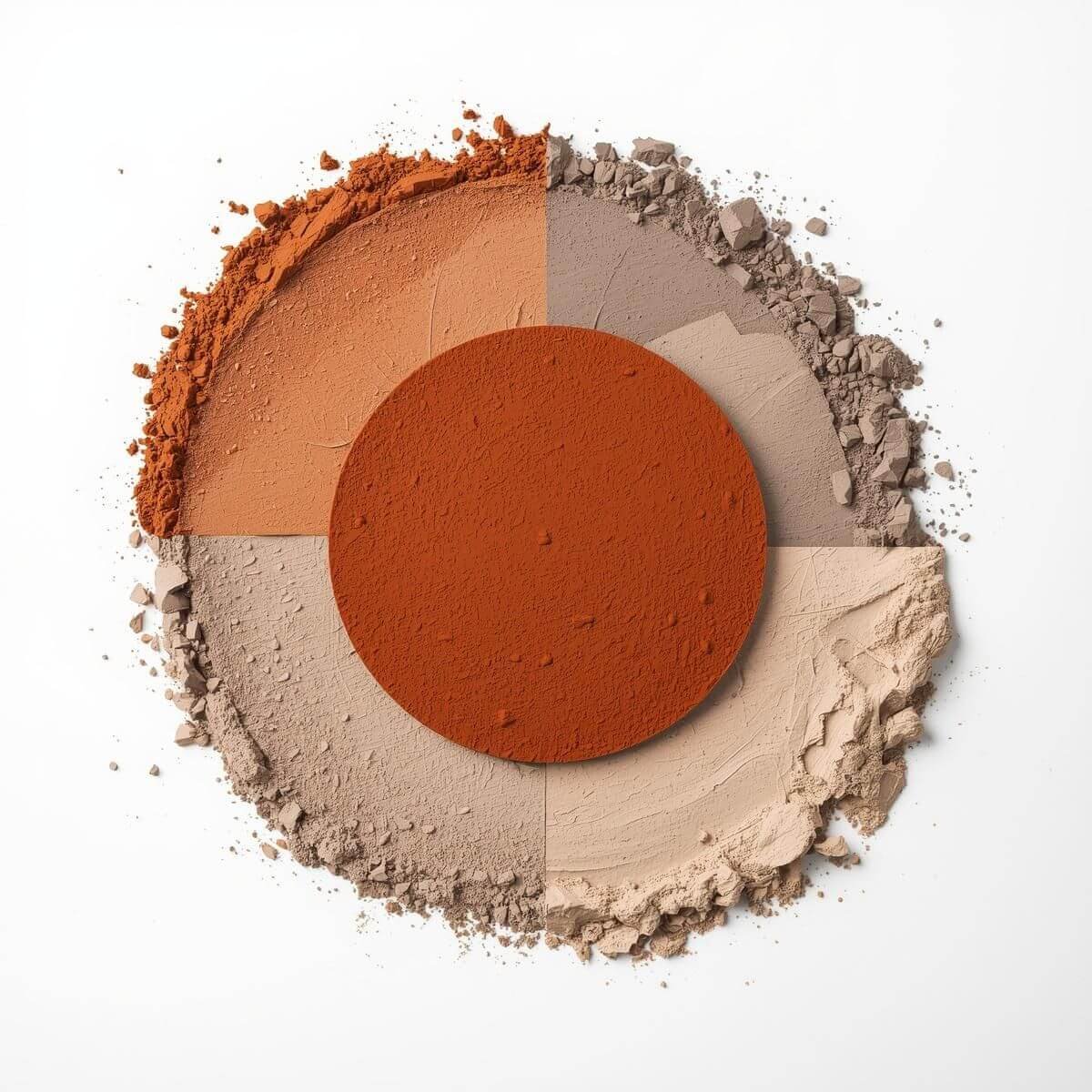
A Tint is the ethereal evolution of a color, created by marrying a pure hue with White. In the Aurazette aesthetic, tints represent luminosity and expansive clarity. They act as the “highlighters” of a palette—softening the intensity of a pigment to create a sense of airy, weightless elegance and open space.
Tones: The Editorial Equilibrium
A Tone is the most sophisticated state of a color, achieved by neutralizing a hue with Grey. This process “vibes down” the raw saturation, resulting in a muted, complex version of the original. Within the Aurazette world, tones are the hallmark of timelessness; they provide a soft, matte-like harmony that feels curated, intentional, and endlessly refined.
The Aurazette Guide: Mastering the Architecture of Color
In the world of high-end beauty and design, color is more than a visual choice—it is a language of emotion and structure. To master the Aurazette aesthetic, one must look beyond the surface and understand the four pillars of color anatomy: Hues, Tints, Shades, and Tones.
I. The Pure Hue: The Unmasked Soul
A Hue is color in its most honest, elemental state. These are the pure pigments found on the traditional color wheel—unaltered and vibrant. In the Aurazette philosophy, the Hue is your starting point; it is the raw “DNA” of a look before the light or shadow is introduced.
II. Tints: The Breath of Light
A Tint is created when we invite White into a pure hue.
- The Effect: Tints soften the intensity of a pigment, transforming a bold red into a delicate petal pink.
- The Aesthetic: Tints represent airiness, clarity, and luminosity. They are the “highlights” of your palette, used to bring forward features and create a sense of ethereal space.
III. Shades: The Anchor of Depth
A Shade is born when Black is added to a pure hue.
- The Effect: Adding black doesn’t just make a color darker; it increases its gravity and mystery. A vibrant blue becomes a commanding Navy; a forest green emerges from a simple leaf green.
- The Aesthetic: Shades provide the structural depth. They are the “contour” of your design, used to anchor a look, create drama, and define boundaries with sophisticated intensity.
IV. Tones: The Editorial Equilibrium
A Tone is the most complex variation, created by adding Grey (both black and white) to a hue.
- The Effect: Tones “vibe down” the saturation. They take the “loudness” out of a color, resulting in a muted, sophisticated version of the original.
- The Aesthetic: Tones are the hallmark of luxury. They offer a timeless, understated elegance that feels intentional rather than accidental. In the Aurazette world, tones are the “neutrals” that allow for harmony across a diverse palette.
The Aurazette Perspective
While a Tint whispers and a Shade commands, a Tone creates balance. Understanding these distinctions allows the artist to manipulate not just what a viewer sees, but how they feel.
For Timelessness: Curate with Tones.
For Luminosity: Lean into Tints.
For Drama: Master the Shade.
Part II: The Aurazette Atmosphere — Temperature & Resonance
V. The Temperature: Elemental Energy
In the AURAZETTE world, color is felt before it is seen. Temperature is the “vibe” that dictates the mood of a space or a look.
- Warm Resonance (The Sun-Kissed Glow): Hues like rich terracotta, golden saffron, and soft peach. These colors advance toward the eye, radiating energy, intimacy, and a “Golden Hour” warmth.
- Cool Resonance (The Moonlit Serenity): Hues like deep sea teal, lavender mist, and crisp slate. These colors recede, creating a sense of calm, vastness, and a “Quiet Luxury” composure.
VI. The Alchemy of Resonance (Color Harmony)
Color Harmony is the “secret sauce”—the curated arrangement of pigments that creates a balanced, visually stable experience. It is the difference between a random collection of colors and a deliberate masterpiece.
1. Magnetic Opposition (Complementary)
By pairing colors from opposite sides of the wheel (e.g., a deep Emerald with a soft Coral), you create a high-energy, high-contrast dialogue.
2. Tonal Fluidity (Analogous)
Selecting colors that live side-by-side on the wheel (e.g., Blue, Teal, and Mint) creates a seamless, organic transition.
3. Prismatic Balance (Triadic)
Utilizing three hues evenly spaced around the wheel (e.g., Mustard, Teal, and Rose) provides a vibrant yet structurally sound palette.
- The Aurazette Take: This is “Architectural Color.” It is playful and diverse, yet remains anchored by a mathematical sense of proportion.
4. The Singular Silhouette (Monochromatic)
The ultimate expression of Aurazette minimalism. This uses various tints, tones, and shades of a single hue to build a look.